


Expert Commentary and Opinion
Diplomacy, Geopolitics and Cooperation
-
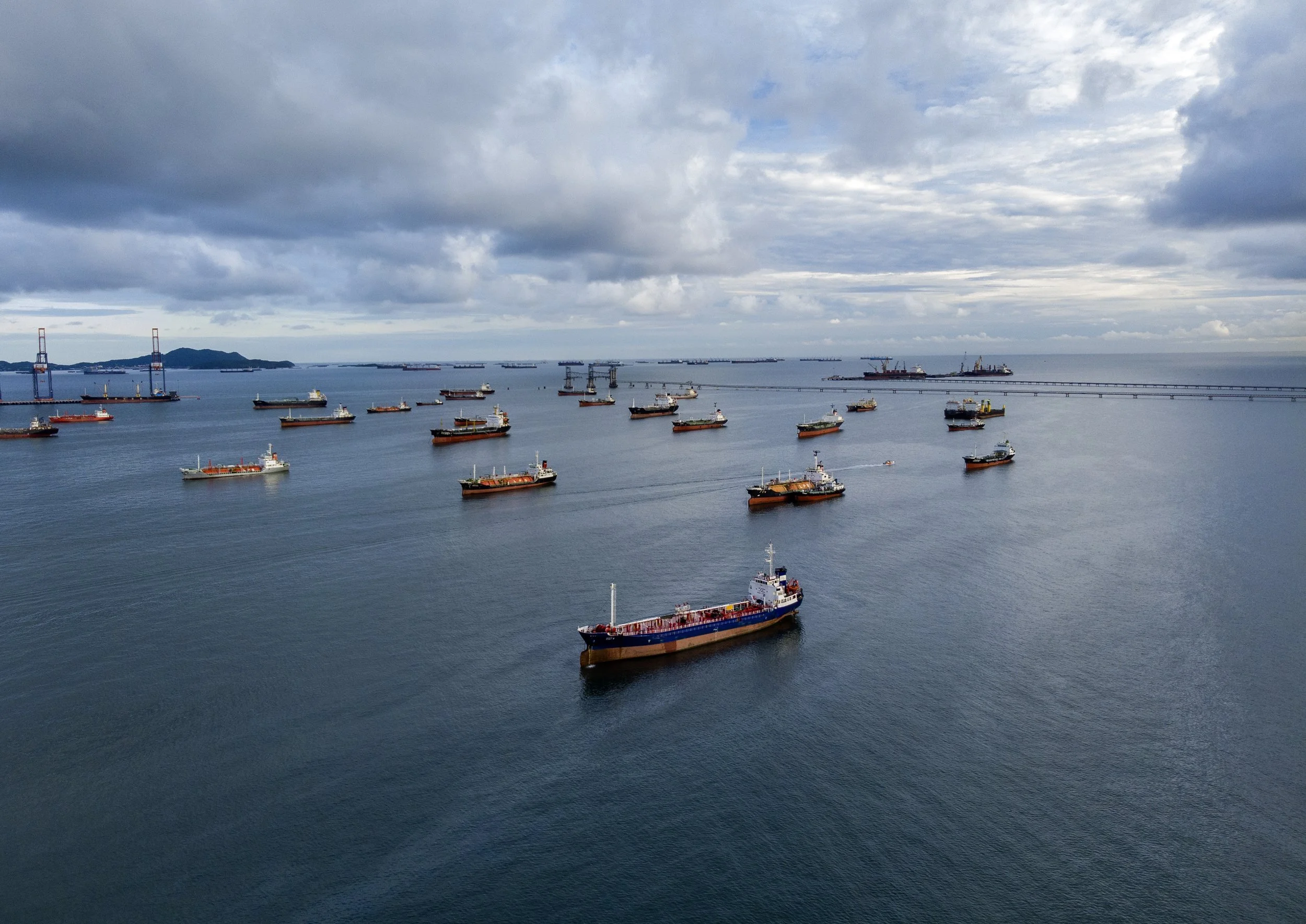
Reform or Retreat in the Middle East: The Iran War's Economic Ultimatum
1 July 2026
The Iran war is a stress test of diversification models across the Middle East. For oil exporters and energy importers alike, the question is no longer whether growth will slow, but whether reform agendas are resilient enough to survive geopolitical disorder.
-

Balancing the Grid and Geopolitics: The Gulf’s Renewable Energy Cooperation with China
10 February 2026
China accounts for 80 percent of global solar manufacturing capacity, a concentration that shapes renewable deployment worldwide, including in the Gulf. While this partnership offers clear economic benefits, it also exposes the region to technological, cybersecurity, and geopolitical vulnerabilities.
-

U.S. Climate Withdrawal: A Strategic Opening for China and the Middle East
15 January 2026
The U.S. withdrawal from international climate institutions marks a major shift in global climate governance. As funding and leadership gaps emerge, China and Middle Eastern partners are uniquely positioned to shape the next phase of climate action, aligning influence, leadership, and capital at a critical moment.
-
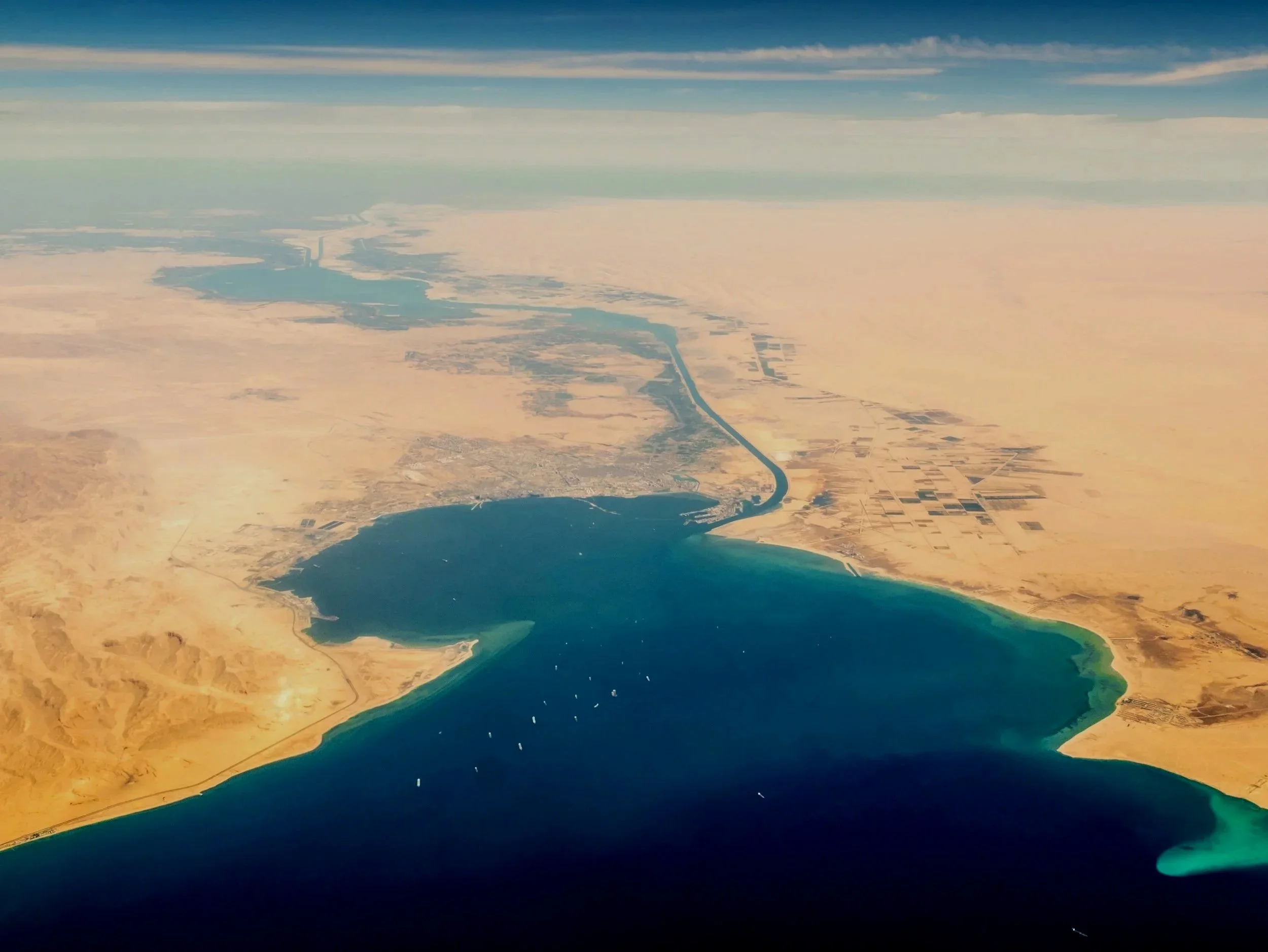
The MENA Region: An Emerging Focal Point in China’s Green Hydrogen Ambitions
22 December 2025
China controls the manufacturing of key green hydrogen components and is scaling that dominance into MENA through a $22 billion project pipeline. While this accelerates the region's clean energy transition, it also locks it into deep technological and financial dependency on Beijing.
-
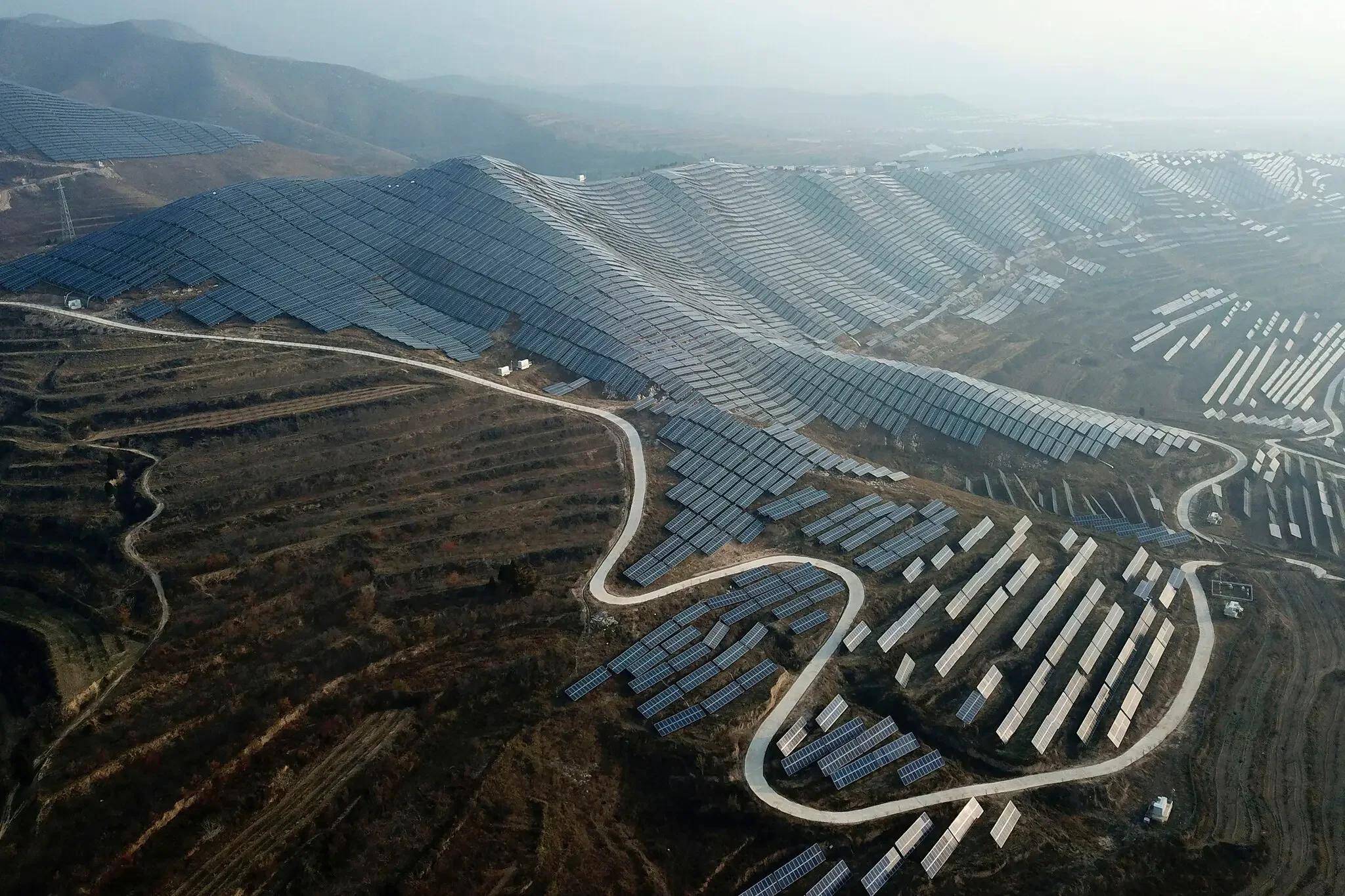
A New Multilateral Energy Track: China, SCO, and MENA Climate Collaboration
10 September 2025
China's push to formalize energy ties with MENA through the SCO signals a deeper shift: the region is moving from a buyer-supplier relationship with Beijing to an institutionalized strategic partnership. New SCO energy and green-industry platforms, a proposed development bank, and Egypt's expected accession as a dialogue partner all point toward deeper alignment. Navigating this shift will require the GCC to expand cooperation with China without jeopardizing its historic ties with the US.
-
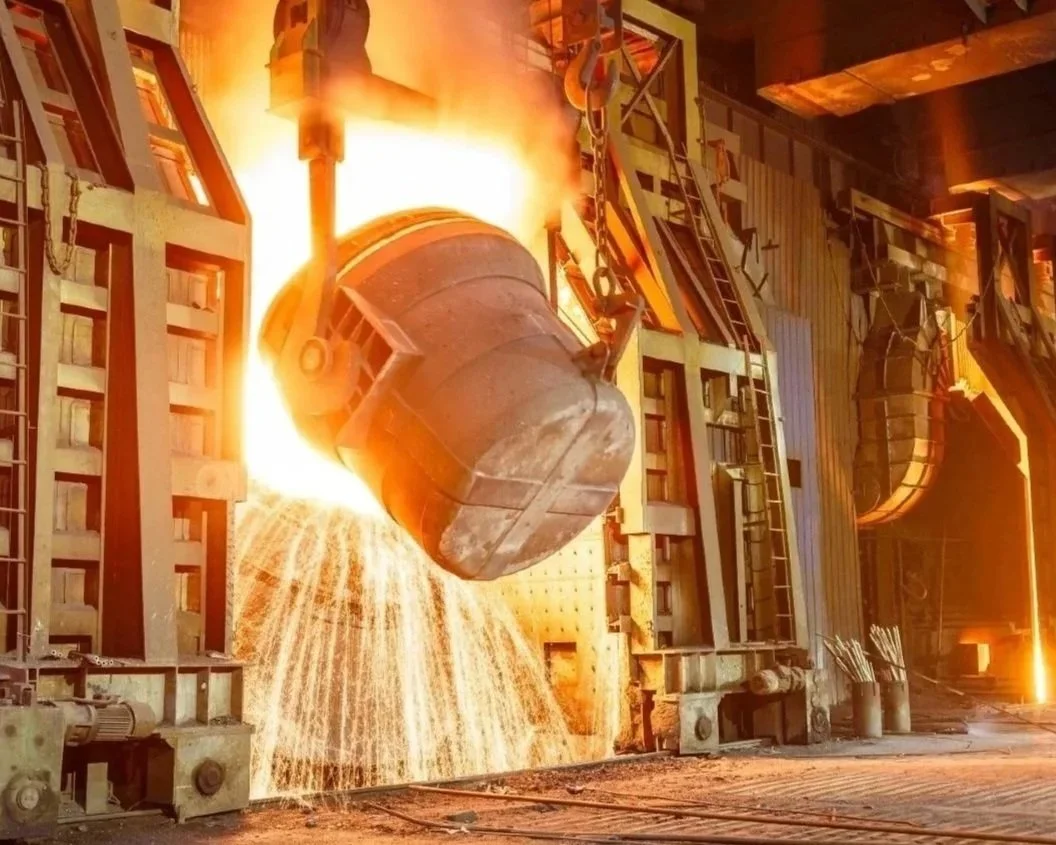
Green Industrialization: An Opportunity for MENA Economies
2 September 2025
The MENA region has a great opportunity ahead. It can harness its world-class solar and wind to drive green industrialization. By turning cheap green electrons and green molecules into steel, fertilizers, and clean fuels, the region can diversify its economies, capture global markets, and create millions of jobs.
-

After the Blackout: Can Iraq Swap Dependence for Domestic Clean Power?
15 August 2025
Iraq’s nationwide blackout underscored a deeper crisis: structural dependence on Iranian energy imports. Repeated supply cuts, sanctions, and a fragile grid are leaving the country dangerously exposed. Breaking the cycle will require scaling renewables, modernizing transmission, and reducing demand inefficiencies.
Decarbonization
-
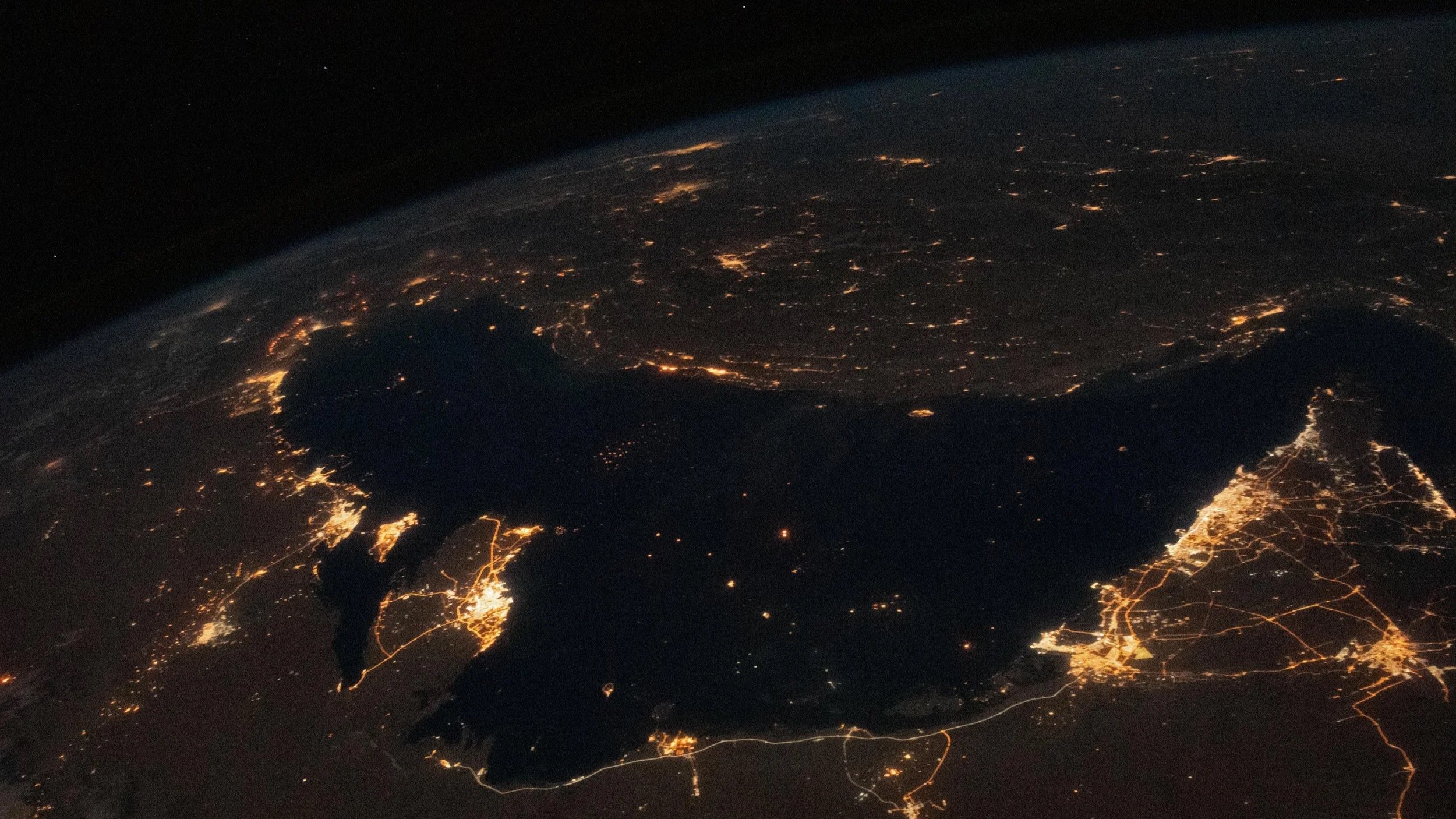
Hydrogen’s Role in GCC Decarbonization: From Strategy to Delivery
25 May 2026
The GCC sits on some of the world's most abundant renewable energy resources and has the capital to deploy them at scale. Yet across six Gulf states, hydrogen strategies have multiplied while confirmed projects remain rare, held back by a scarcity of long-term buyers and an international market that has yet to take shape.
-
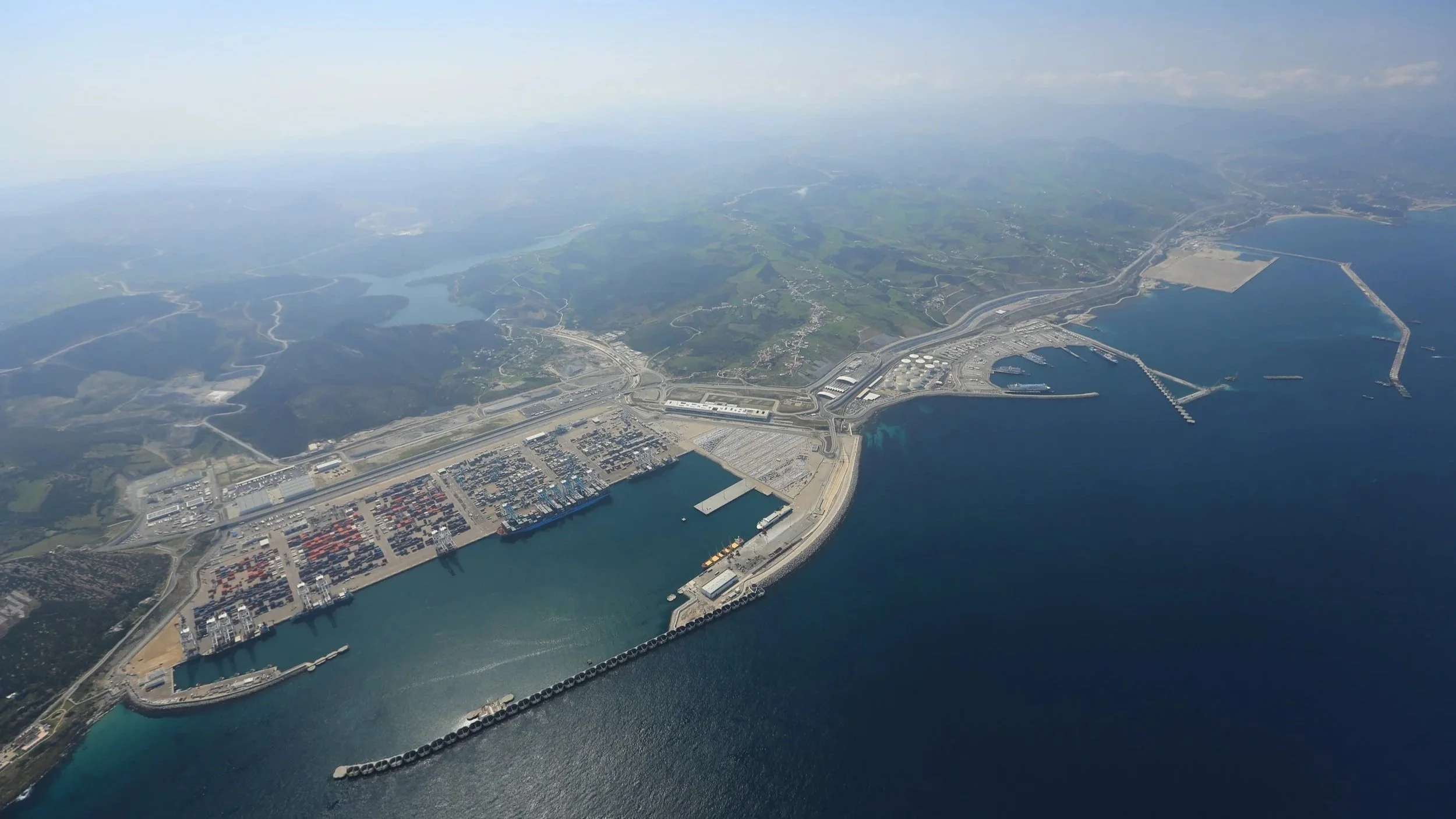
Morocco Green Hydrogen Push: Catalyst for Industrial Transformation or Export-Led Growth?
11 March 2026
Morocco is positioning itself as an early mover in the emerging green hydrogen economy. With 40 investor consortia expressing interest and 7 projects advancing to contract negotiations, the country now faces a more consequential question: whether export-led green energy can anchor an industrial transformation at home.
-
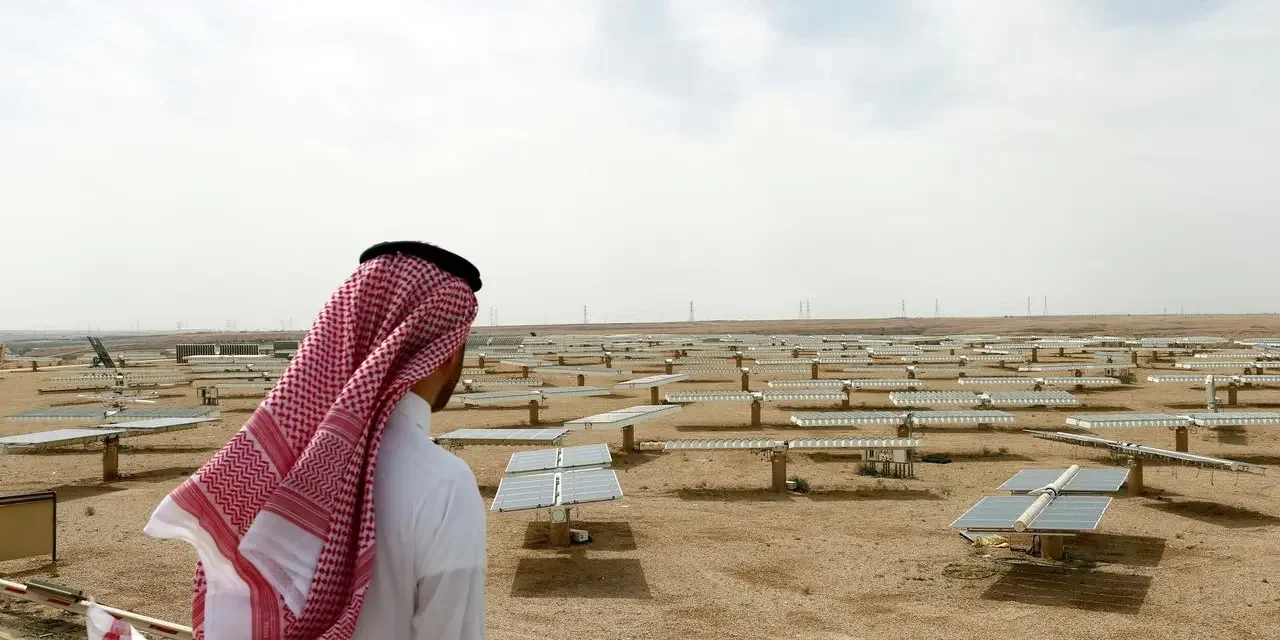
Saudi Arabia’s Quiet Revolution: How the Kingdom is Rapidly Scaling Renewables
29 August 2025
Saudi Arabia, long defined by oil, is quietly staging one of the fastest renewable energy scale-ups in the world. With 15 GW of solar and wind awarded in a single deal, and nearly 60 GW now in its pipeline, the Kingdom is rapidly shifting from plans to execution, positioning itself as both a global oil giant and and clean energy leader.
-
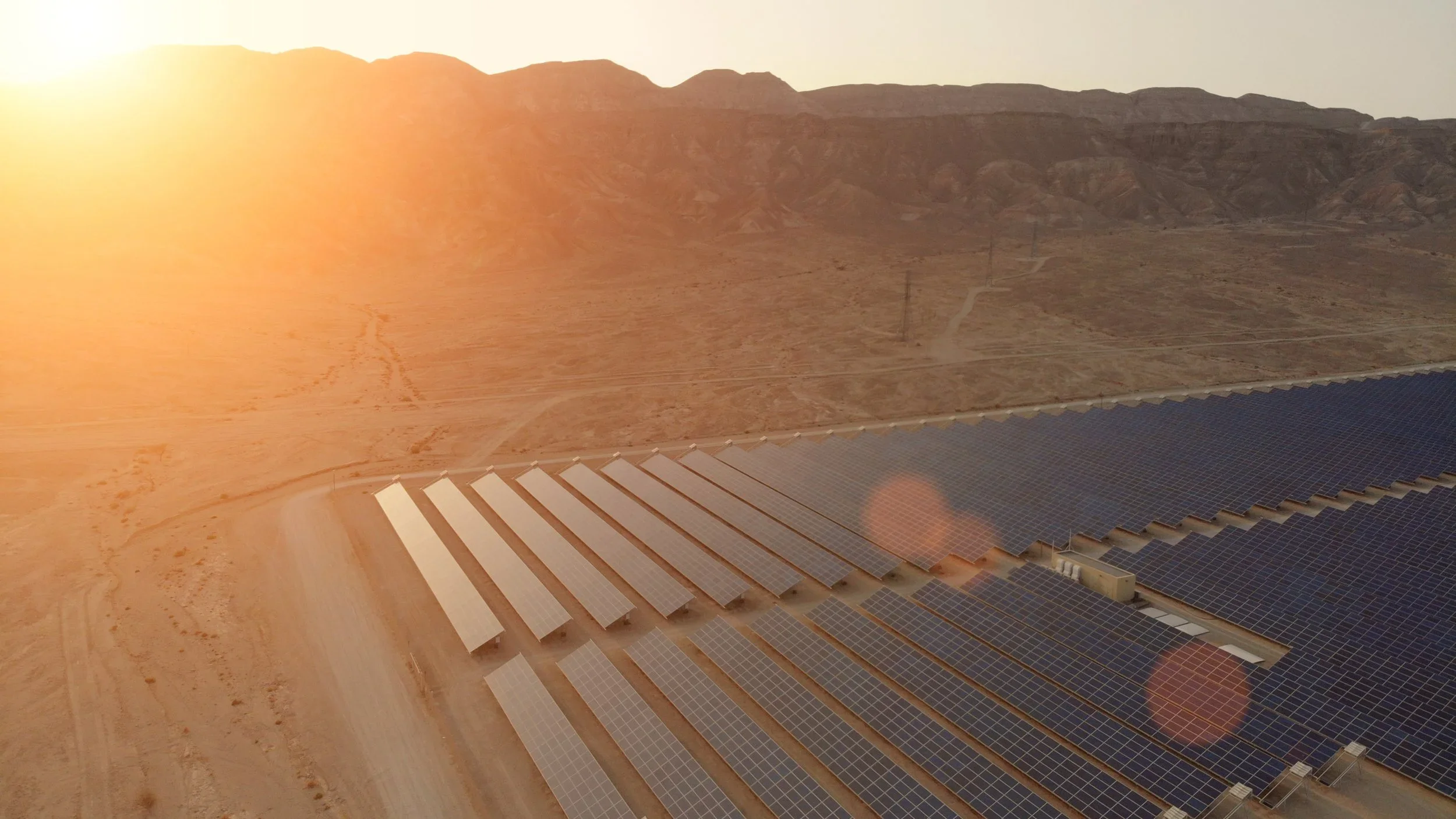
Energy Security in the Mediterranean: The Case for Tripling Renewables
26 August 2025
The Mediterranean faces a stark choice: remain exposed to fuel shocks, blackouts, and volatile fossil fuel markets, or triple renewable capacity to meet surging demand. As electricity use climbs and climate extremes intensify, energy security is emerging as the central driver of the region’s clean energy transition.
-
Tripling Renewables in the Mediterranean: A Path to Cooperation
18 August 2025
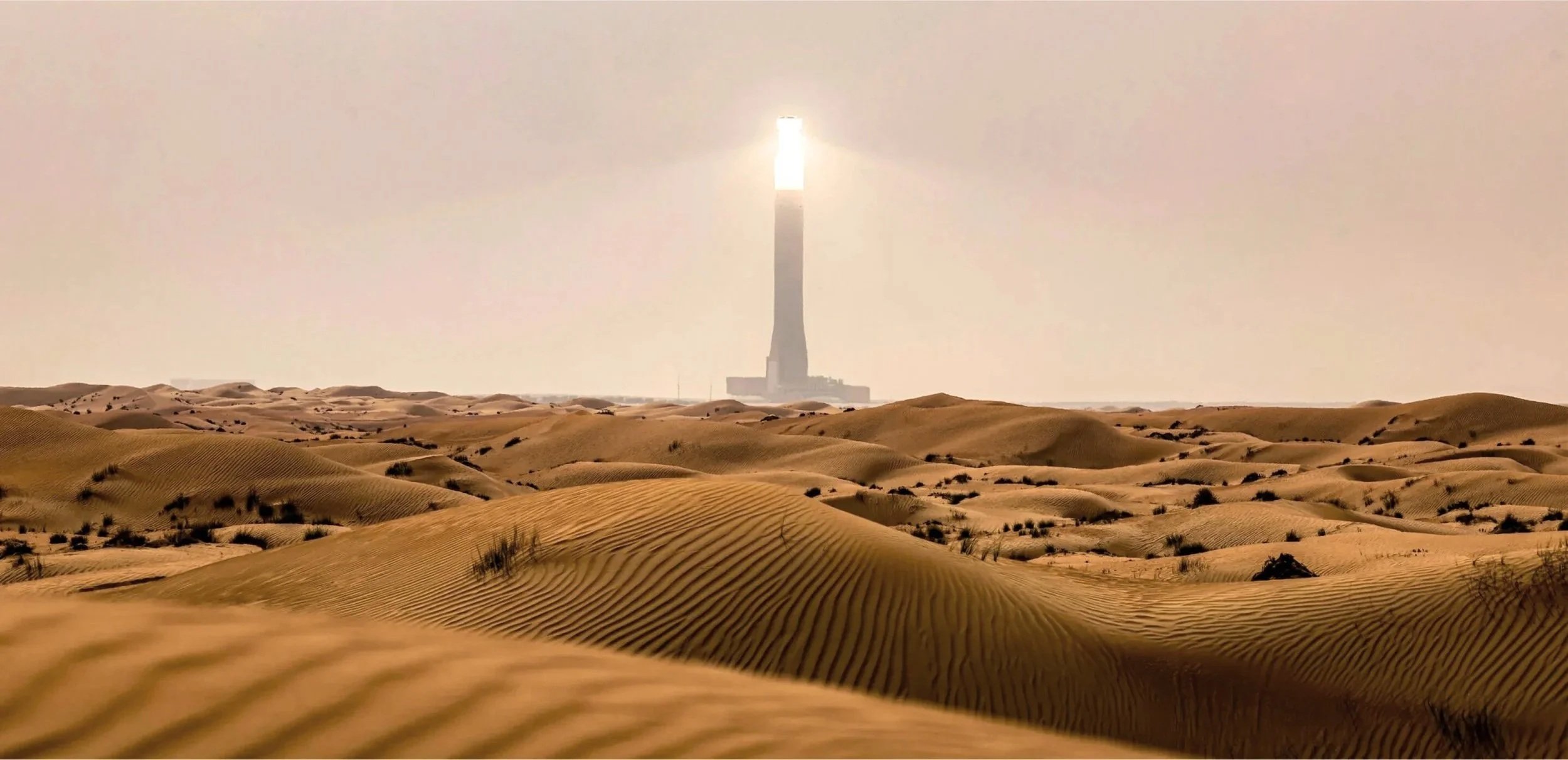
Cross-border projects, such as the Italy-Tunisia link and the Morocco-Spain interconnectors, demonstrate how shared infrastructure can enhance resilience. Renewables could transform a region long defined by competition into one of collaboration and cooperation.
Climate Resilience
-
Water Security in the Gulf States: Risk and Resilience
28 April 2026
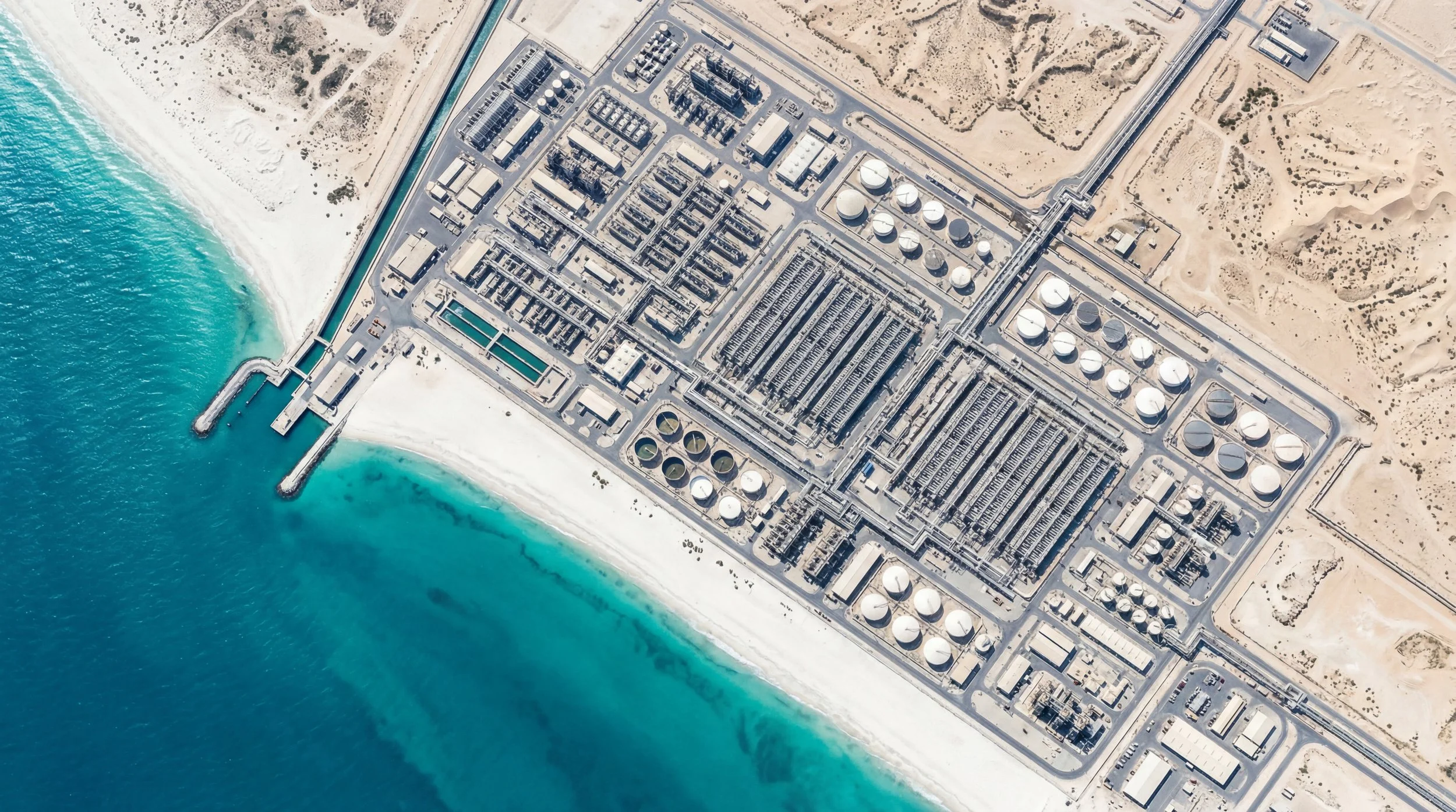
The GCC's water systems are more resilient than the dominant narrative suggests — and more exposed than official confidence implies. Examining the full value chain across the Gulf, from sourcing and storage to demand and distribution, this piece maps where the real vulnerabilities sit and what a credible resilience strategy requires.
-
Tackling the Middle East’s Climate Crisis Demands a Spotlight on Debt
4 March 2026
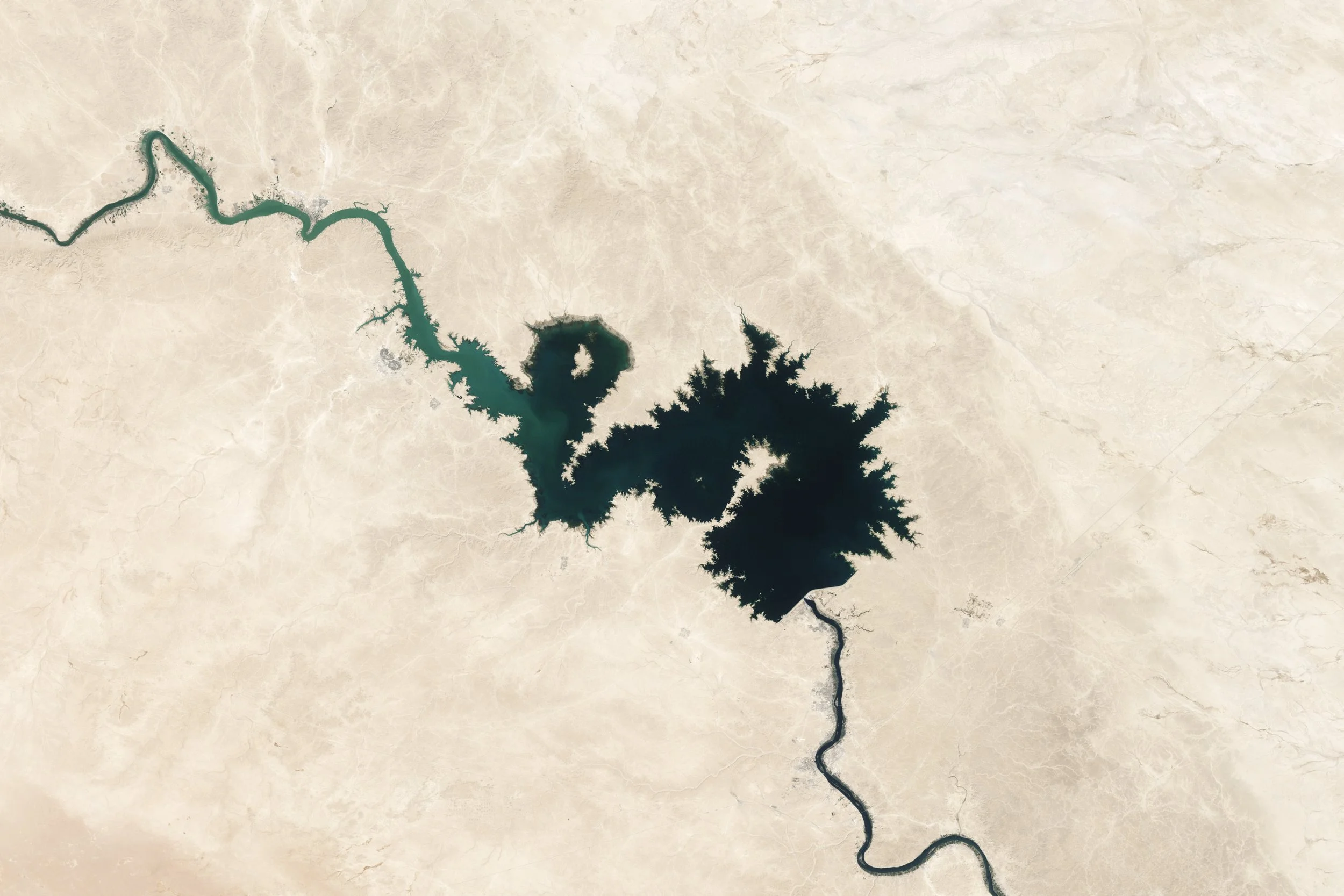
The Arab world faces a dual crisis: intensifying climate impacts and soaring debt burdens, leaving little fiscal room to respond. With regional external debt at $443 billion and climate finance arriving mostly as loans, many governments are caught between servicing debt and funding resilience. This piece draws on a conversation with IMF Executive Director Mohamed Maait.
-

The Perils of ‘Ghost Water’: Desalination in the Middle East
1 December 2025
Across the Middle East, desalination has become the backbone of urban water supply, transforming scarcity into a managed crisis. Yet behind this surge lies a fragile foundation—aging grids, stressed seas, and under-reformed water systems—that threatens to turn today’s gains into tomorrow’s shock. Building genuine water resilience will depend on confronting risks head-on.
-

Don’t Call it a Comeback’: Adaptation, COP30, and the Arab World’s Climate Stakes
11 November 2025
As COP30 opens, expectations are high for a summit that can shift attention from pledges to implementation. For the Arab world, where climate impacts are accelerating and adaptation finance remains scarce, this moment offers a chance to anchor resilience within fiscal policy and press for equitable financial reform that turns commitments into credible national action.
-
Rethinking Water Governance: Climate Adaptation Strategies for the MENA Region
21 August 2025
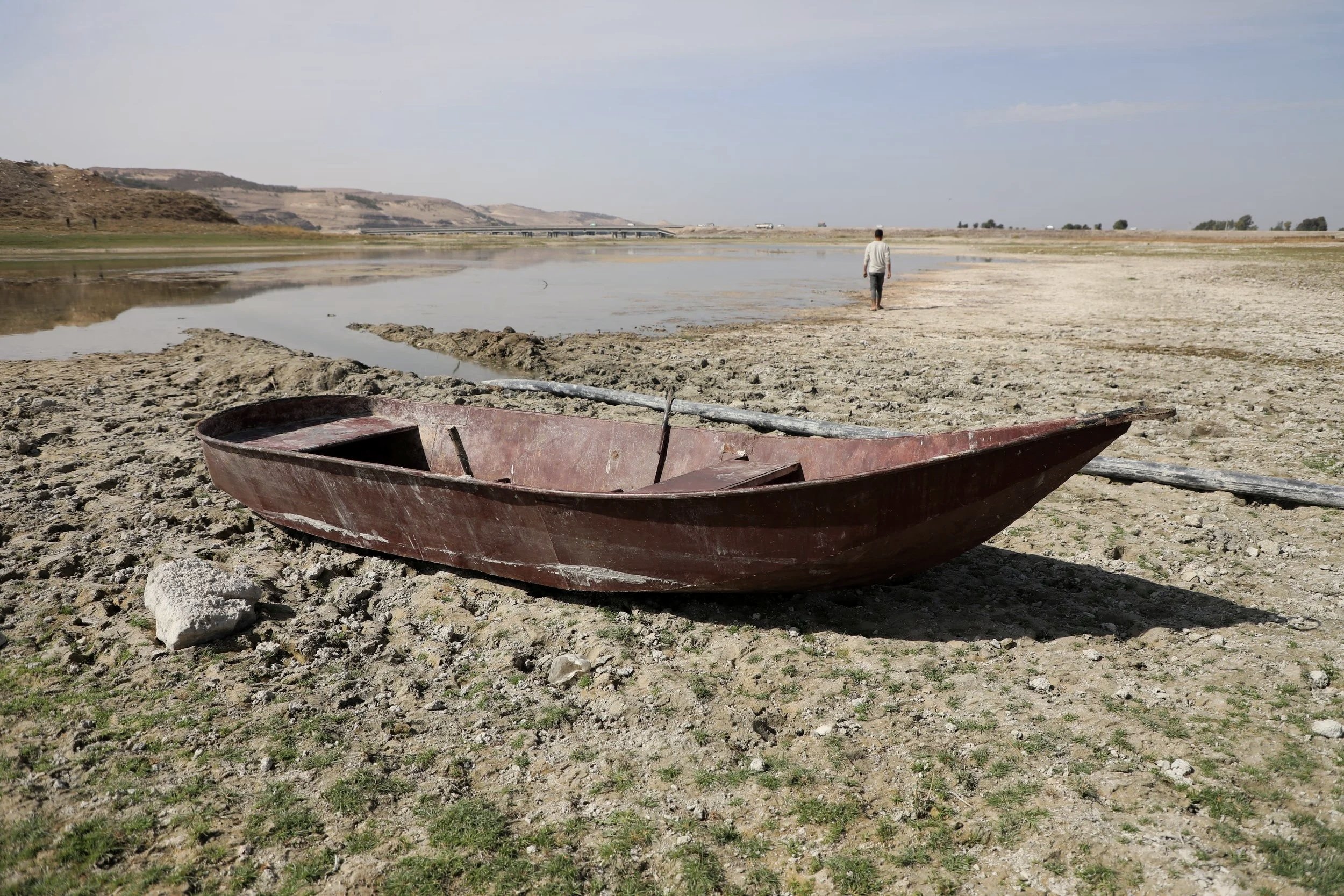
Severe water scarcity is threatening stability, food security, and human development across the MENA region. Reliance on fossil aquifers, inefficient agriculture, and fragmented governance have left countries dangerously unprepared for climate extremes. Placing water at the heart of adaptation policies offers a path to resilience and long-term sustainability.
