


Our Briefs and Reports
Reports
-
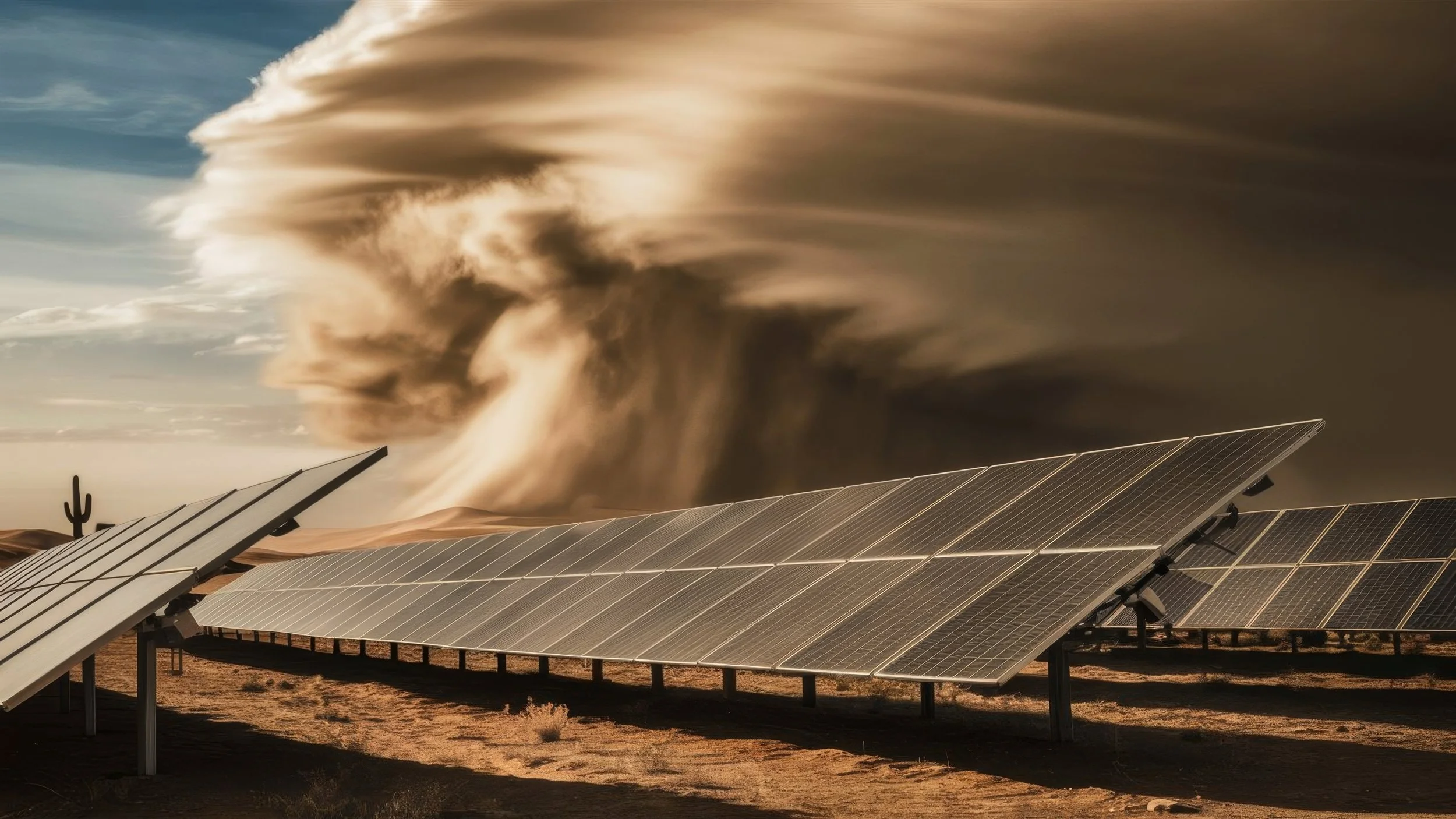
The war on Iran has turned energy and trade security in the Middle East and North Africa from a planning assumption into an immediate constraint. It has exposed concentrated chokepoints, limited fiscal space, and food and fertilizer dependencies that predate the conflict. Exporters with alternative routes adapted while those reliant on the Strait of Hormuz saw shipments fall; importing governments chose between absorbing price increases through subsidies and passing them to households; fertilizer disruption moved into agriculture on a delay that makes its costs harder to attribute; and governments expanded renewable capacity and hydrocarbon infrastructure at the same time. Drawing on horizon scanning, systems mapping and the Futures Triangle methodology, this report examines where the war strengthens the case for the energy transition, where it entrenches fossil-fuel dependence, and what the decisions being taken now will leave in place.
-
Diplomacy, Geopolitics, and Cooperation Program
-
Energy security · Strait of Hormuz · Trade disruption · Price shocks · Food and fertilizer security · Fossil fuel lock-in · Energy transition · Regional grid interconnection · Defense localization · Strategic foresight
-
Soha Rashed, Diala Hawila
-
October 2026

-
The war on Iran has turned economic diversification in the Middle East and North Africa from a long-term policy goal into a test of resilience. It has exposed concentrated export routes, constrained fiscal space, and a reliance on foreign capital that predate the conflict. Gulf sovereign wealth funds are taking on a larger role in development as foreign investment becomes less certain; green-hydrogen projects are being judged by their exposure to Hormuz and whether they have reached financial close; GCC critical minerals ambitions depend on linking national strengths into a regional value chain; and debt-constrained economies risk trading fossil-fuel dependence for green dependency. Drawing on eight contributions from researchers and practitioners across the region and beyond, this dossier examines where the war strengthens the case for green industrialization, where it sets it back, and what building on more sovereign terms will require.
-
Diplomacy, Geopolitics, and Cooperation Program
-
Economic diversification · Green industrialization · Sovereign wealth funds · Strait of Hormuz · Green hydrogen and ammonia · Critical minerals · Project bankability · Industrial policy · Debt and fiscal space · Economic sovereignty
-
Dawud Al Ansari, Mohammed Al Breiki, Muez Ali, Reda Cherif, Fatin Resat Durukan, Karim Elgendy, Ibrahim El Hatimi, Fuad Hasanov, Diala Hawila, Haley Schuler-McCoin, Samantha Youngeun Shin, Shereen Talaat
-
September 2026

-
The Middle East and North Africa's steel sector is shifting from a low-cost gas advantage toward a low-carbon export position, driven by existing direct reduced iron capacity, abundant renewables, and Europe's Carbon Border Adjustment Mechanism. Egypt combines the region's largest industrial base with Suez Canal export access; Saudi Arabia brings sovereign-scale financing and hydrogen-ready plate capacity; the UAE offers the most commercially legible platform through EMSTEEL and Masdar; and Oman is positioning Duqm and Sohar as green iron export hubs. Drawing on production data, route-level emissions benchmarks, and project-level evidence across four country case studies, this report traces how ambition becomes bankable.
-
Decarbonization Pathways Program
-
Green steel · Direct reduced iron · CBAM · Industrial decarbonization · Green hydrogen · Export competitiveness · Carbon accounting and MRV · Project bankability · Renewable energy transition · MENA industrial policy
-
Fatin Reșat Durukan, Fadi Al-Noaimi
-
September 2026

-
China's energy engagement across the Middle East and North Africa is shifting from hydrocarbons toward renewable energy, green technology manufacturing, and critical minerals. Gulf states, led by Saudi Arabia and the UAE, anchor manufacturing and industrial cooperation; Egypt has become a regional export hub; Morocco draws renewable generation and industrial investment; Jordan and Tunisia prioritize utility-scale deployment; and Lebanon, Libya, Syria, and Yemen rely on Chinese-supplied solar and storage amid conflict and financial strain. Drawing on the Carboun Institute's China-MENA Energy Engagements Database and analysis across 18 countries, this report traces how that engagement is evolving.
-
Diplomacy, Geopolitics, and Cooperation Program
-
Renewable energy transition · Chinese investment · Green technology manufacturing · Critical minerals · Green hydrogen · Trade and diplomacy · Energy security · US-China competition · Regional instability · MENA energy policy
-
Jemima Oakey, Lamia Boumazgour
-
September 2026

-
Intensifying drought, escalating heat extremes, and increasing flood risk are reshaping the Middle East and North Africa. Drawing on IPCC data, regional climate projections, and documented case studies, this report traces how climate impacts cascade across water systems, energy infrastructure, food security, and political stability — and what this means for the region's development trajectory.
-
Climate Resilience Program
-
Climate adaptation · Water scarcity · Extreme heat · Flood risk · Food security · Energy transition · Climate migration · Economic fragility · Geopolitical risk · MENA climate policy
-
Karim Elgendy
-
April 2026
Policy Papers

-
The MENA region has a unique chance to lead the global green iron trade, building on its dominant Direct Reduced Iron (DRI) production, abundant low-cost renewables, and central geography. With the EU’s CBAM set to reshape market dynamics, success will depend on credible certification, integrated value chains, and hydrogen ramp-up, alongside diversified export corridors to Europe and Asia that secure both competitiveness and long-term industrial growth.
-
Decarbonization Pathways Program
-
Green iron trade · Hot Briquetted Iron · DRI-EAF · Green steel supply chain · CBAM compliance · DR-grade pellets · Green hydrogen steelmaking · Steel decarbonization · MENA industrial policy · Green iron corridors
-
Fadi Al-Noaimi
-
September 2025
-
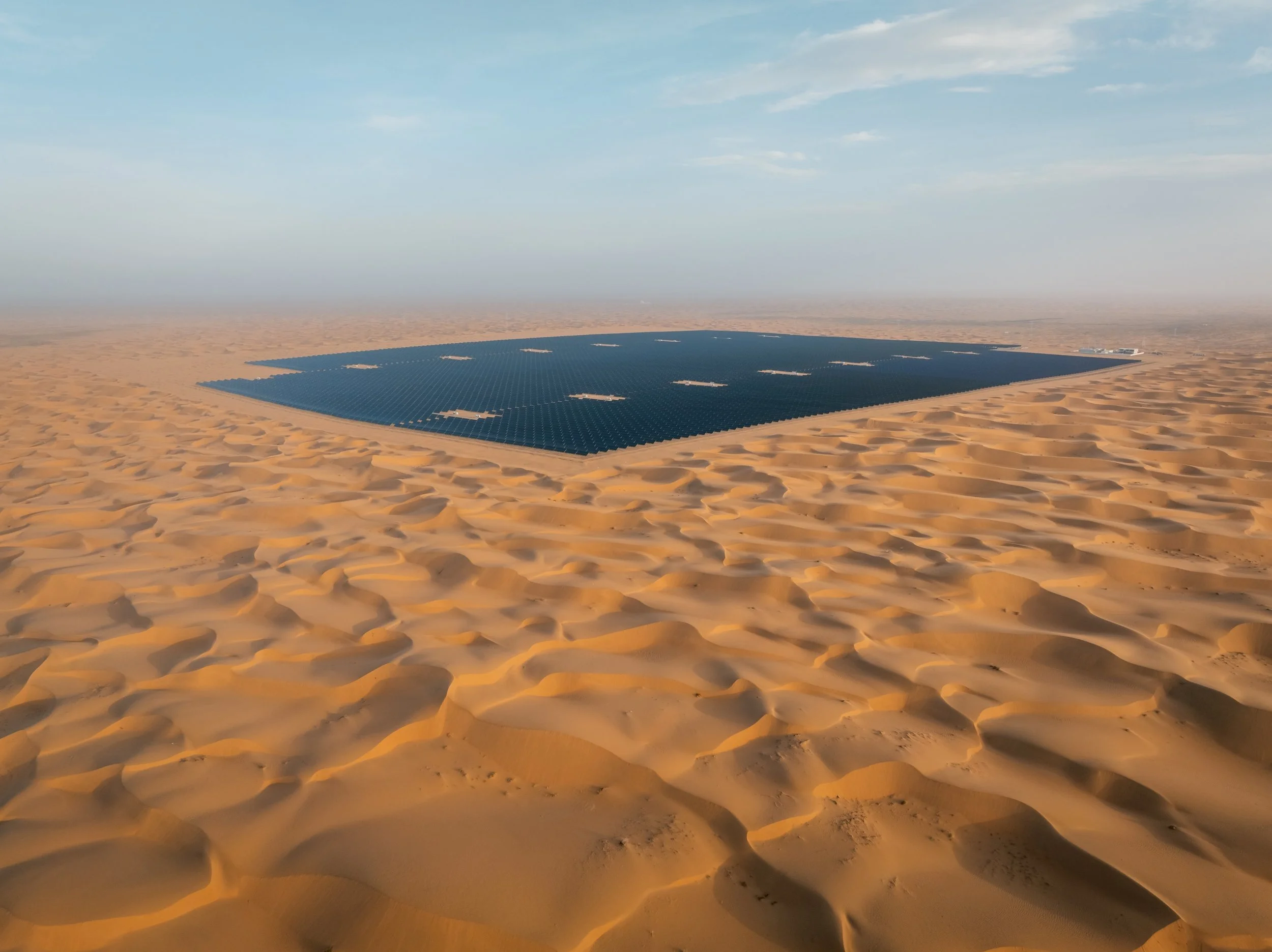
The Iran War has exposed how deeply Egypt, Jordan, Morocco, and Tunisia depend on imported fossil fuels, driving price shocks, fiscal strain, and renewed urgency around energy security. At the same time, China's renewable manufacturing sector faces mounting overcapacity in search of external markets. These pressures create a strategic opening: cheap Chinese solar can accelerate MENA's energy transition while easing China's surplus. Success will depend on bankable power-purchase agreements, grid investment, and streamlined regulation to turn this alignment into lasting energy sovereignty.
-
Diplomacy, Geopolitics and Cooperation
-
Energy security · Renewable energy transition · Solar PV supply chains · China–MENA trade · Energy import dependence · Grid modernization · Battery storage · Green industrialization · Energy sovereignty · MENA energy policy
-
Jemima Oakey, Lamia Boumazgour
-
June 2026
Policy Briefs
-
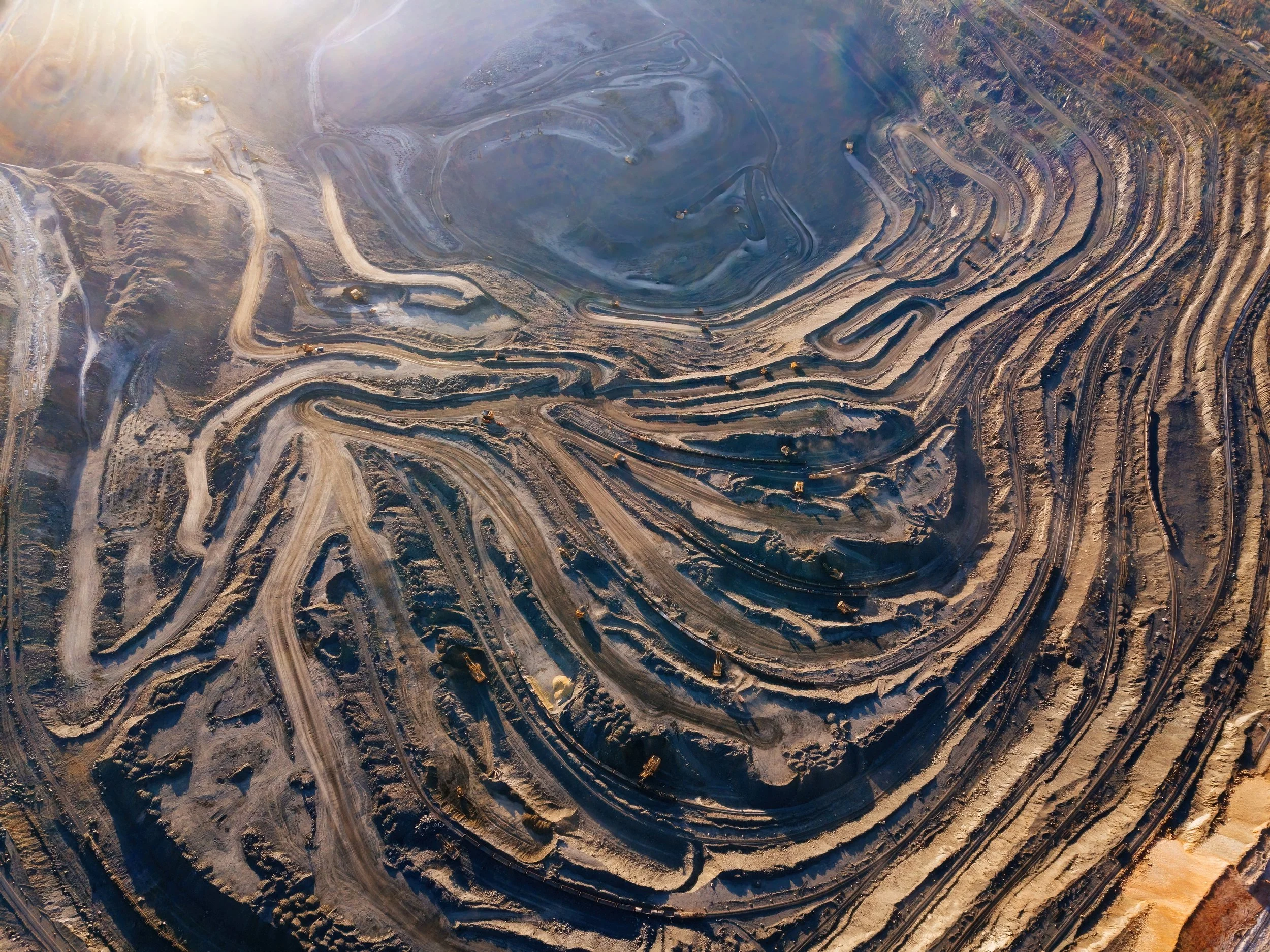
Global demand for critical minerals is accelerating, while refining capacity remains almost entirely concentrated in China. Saudi Arabia alone holds an estimated USD 2.5 trillion in reserves and has announced USD 100 billion in mining investments — but without refining capacity, the region risks exporting raw materials while the value stays elsewhere. Water scarcity, emissions governance, and the China partnership question will determine whether MENA's mineral ambitions translate into lasting economic sovereignty.
-
Climate Diplomacy Program
-
Critical minerals · Mineral refining · Rare earth elements · Energy transition · MENA mining · Saudi Arabia minerals · China supply chains · Resource nationalism · Water scarcity · Green mining · Supply chain diversification · China-MENA cooperation · Downstream processing · GCC minerals strategy · Economic sovereignty
-
Jemima Oakey
-
March 2026

-
The decarbonization of the steel sector hinges on closing the green premium — the cost gap between conventional and hydrogen-based production that currently constrains project bankability and limits first-mover investment. This analysis examines the techno-economic drivers of that premium, evaluates cost trajectories under different hydrogen price and electrolyzer scenarios, and identifies the policy instruments and financing mechanisms needed to make low-carbon steel commercially competitive across the region's existing DRI infrastructure.
-
Decarbonization Pathways Program
-
Green steel · Hydrogen DRI · CBAM · Green premium · Blended finance · Carbon Contracts for Difference · Steel decarbonization · Industrial policy · MENA energy transition · Project bankability
-
Fatin Reşat Durukan
-
February 2026

-
As carbon pricing increasingly shapes access to EU markets, the MENA region’s iron and steel sector faces a new strategic reality. Strong trade ties with Europe and uneven emissions intensity heighten exposure, but this does not automatically translate into disadvantage. The region enters this phase with important structural strengths, including leadership in direct reduced iron production and viable pathways toward lower-carbon steelmaking. A balanced response—combining engagement, proactive adaptation, mitigation, and dialogue—can help manage near-term risks while positioning the sector for long-term competitiveness in emerging green industrial value chains.
-
Decarbonization Pathways Program
-
CBAM · Carbon Border Adjustment Mechanism · EU ETS · Carbon leakage · Iron and steel · MENA trade exposure · Carbon pricing · DRI-EAF · Green industrialization · Climate diplomacy
-
Fadi Al-Noaimi
-
January 2026
-
China–Gulf relations are shifting from transactional energy trade to a strategic partnership grounded in shared decarbonization and diversification goals. Expanding cooperation in renewables, green manufacturing, and industrial development reflects deeper structural changes in both economies. Yet growing technological dependence, CBAM-related trade pressures, and US–China rivalry pose vulnerabilities that require deliberate, regionally coordinated management.
-
Climate Diplomacy Program
-
China-Gulf relations · Belt and Road Initiative · Gulf energy transition · Solar PV manufacturing · Economic diversification · Supply chain sovereignty · Green hydrogen · CBAM compliance · US-China competition · Vision 2030
-
Jemima Oakey
-
November 2025
Analysis
-
The MENA region faces a deepening agricultural crisis, shaped by decades of declining water availability, near-total food import dependency, and accelerating cropland degradation. With climate change intensifying pressure on already-strained food systems, the region's ability to balance short-term food security imperatives with long-term environmental sustainability will depend on structural reform, smarter water governance, and a shift away from cereal-intensive farming toward more resilient and diversified agricultural models.
-
Climate Resilience Program
-
Food security · Climate resilience · MENA development policy · Food systems · Rural livelihoods · Climate adaptation · Agricultural GDP decline · Net food importers · Water scarcity · Freshwater withdrawals · Cropland degradation · GCC food import dependency · Agricultural labour force · Land degradation · Irrigation water use · Agricultural finance flows · Food-water-energy nexus · Agricultural subsidies
-
Jamila El Mir
-
May 18 2026

-
The GCC region faces a deepening industrial diversification crisis, shaped by decades of hydrocarbon dependency, constrained fiscal buffers, and accelerating pressure from global energy transition. With oil demand trajectories becoming uncertain and decarbonization accelerating, the region's ability to balance short-term fiscal stability with long-term economic transformation will depend on strategic policy choices, institutional capacity, and a fundamental shift away from hydrocarbon-centric growth models toward diversified, climate-resilient industries.
-
Decarbonization Pathways Program
-
Industrial policy · Economic diversification · Energy transition · GCC economies · Fiscal sustainability · Green industrialization · Manufacturing development · Economic resilience · Renewable energy · Carbon emissions reduction · Supply chain development · Regional economic integration · State capacity · Climate-aligned investment · Labor market transitions · Resource management · Economic structural reform · Investment policy · Sectoral transformation · Regional development · Climate mitigation · Energy security · Industrial capacity · Economic policy
-
Kapil Narula
-
July 8 2026