Beyond the Shock:
The War on Iran and Shifting Trajectories of Trade, Energy, and Resilience in the MENA Region
A Publication by the Carboun Institute’s Diplomacy, Geopolitics, and Cooperation Program
By Soha Rashed and Diala Hawila
The 2026 US-Israel war on Iran is reshaping trade, energy security, and economic decision-making across the Middle East and North Africa (MENA). Beyond its immediate damage, the conflict is forcing governments to make choices that could determine whether the region becomes more resilient and diversified or more deeply locked into existing vulnerabilities.
The impacts have been highly uneven. Fossil-fuel importers have faced higher energy costs, inflation, and pressure on public finances. Fossil-fuel exporters in the region have experienced different outcomes depending on whether they could maintain access to markets: those with alternative export routes were better able to adapt, while those dependent on disrupted chokepoints suffered substantial losses. Across both groups, resilience depended not simply on financial resources, but on the availability of alternatives, including different trade routes, suppliers, energy sources, strategic reserves, fiscal buffers, and the institutional ability to respond quickly.
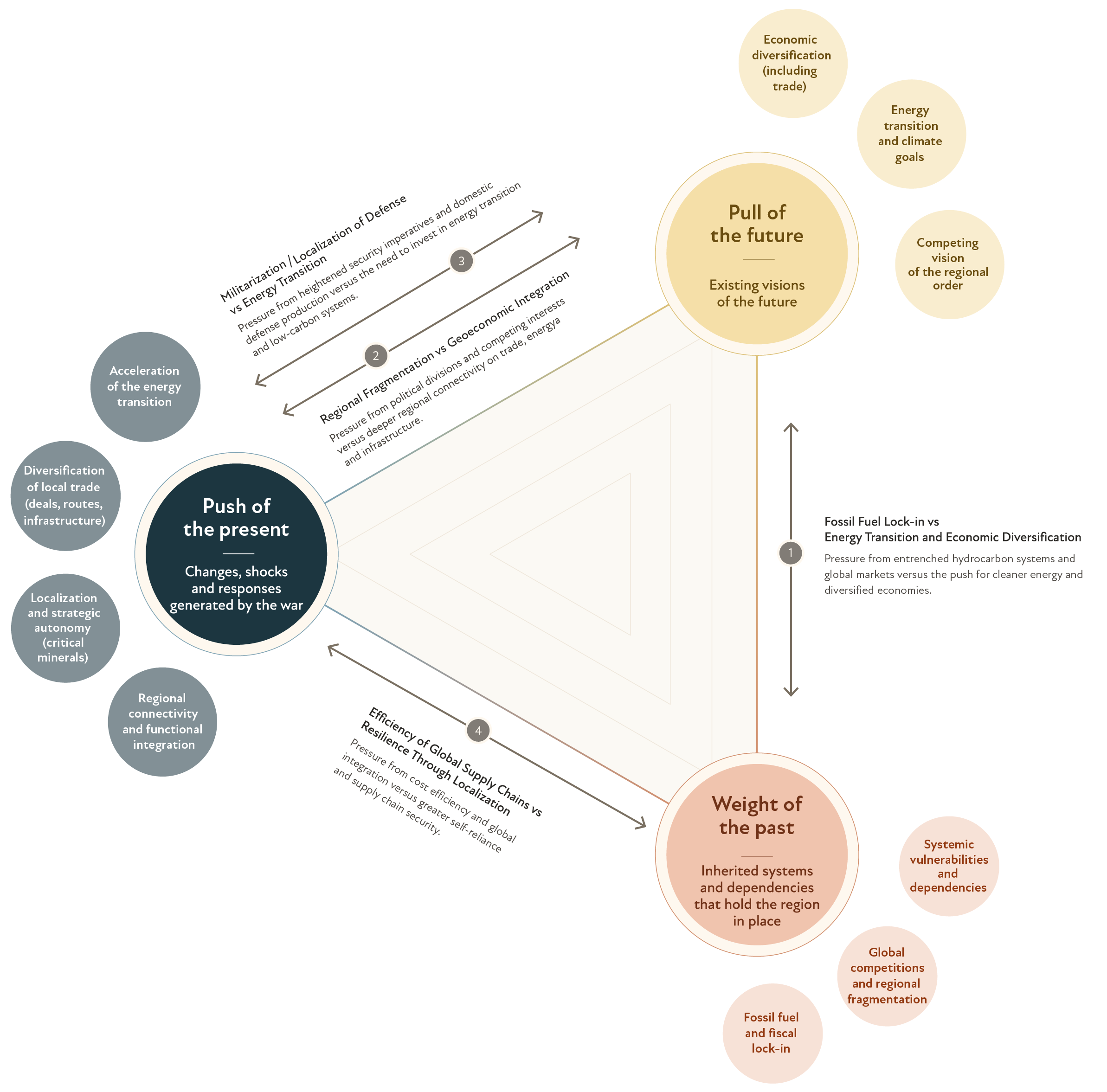
The report combines horizon scanning and systems mapping with the Futures Triangle Methodology to examine how the immediate effects of the war—referred to here as “the push of the present”—interact with two longer-term forces: the pull of the future, which is the futures governments are already trying to build through economic diversification and energy transition; and the weight of the past, which includes the inherited dependencies that continue to constrain those ambitions. It then examines the tensions emerging between these forces.
The report makes three main findings:
First, the war has strengthened the case for the energy transition while simultaneously reinforcing fossil-fuel dependence. Renewable energy has become more valuable as a source of energy security, yet regional energy exporters are also investing in new fossil-fuel infrastructure and alternative export routes, while importing countries are securing additional fuel supplies and maintaining subsidies. Measures taken to improve security in the short term can therefore create long-term fossil fuel lock-in through new infrastructure.
Second, resilience is beginning to reshape the economics of trade and supply chains. The crisis has exposed the risks of dependence on individual suppliers, transport corridors, and production centers. Governments and firms are responding through alternative trade routes, strategic reserves, localization, and regional infrastructure. These options may be more expensive than the systems they replace, but repeated disruption is changing the balance between efficiency and resilience.
Third, geopolitical fragmentation is occurring alongside growing practical interdependence. Political divisions have deepened, yet the need to secure energy, food, transport, and trade is driving new forms of cross-border cooperation. Regional integration may therefore advance through infrastructure and economic necessity even when political alignment remains limited.
The main policy implication is to ensure that measures taken to manage the current crisis do not reproduce the vulnerabilities they are intended to solve, to prioritize responses that expand policy options, and to be cautious of investments that create new dependencies. Resilience should ultimately be judged not only by whether a country can withstand the current shock, but also by whether it enters the next one with more options and fewer vulnerabilities.
Main Figures
Figure 1. Impacts of the War for Fossil Fuel Exporters
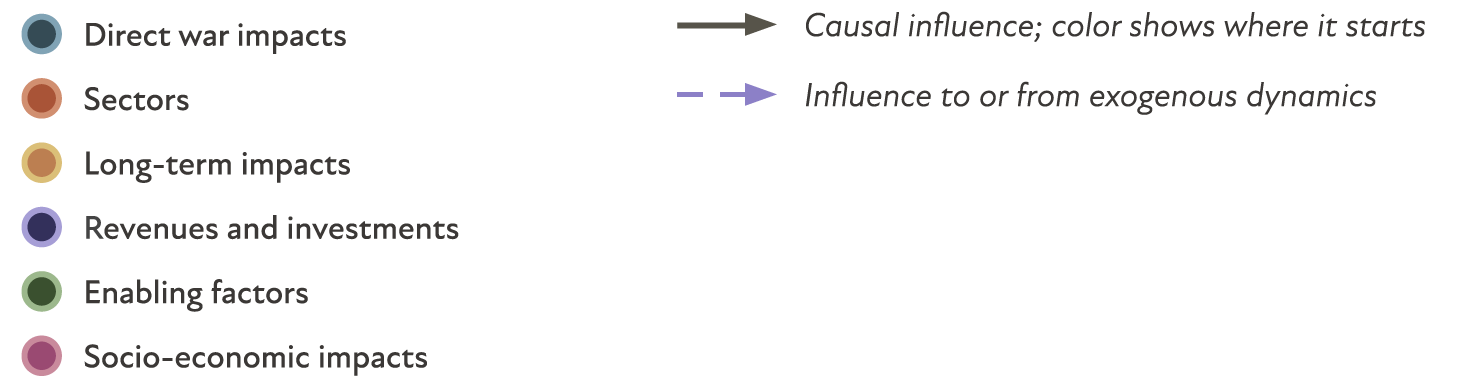
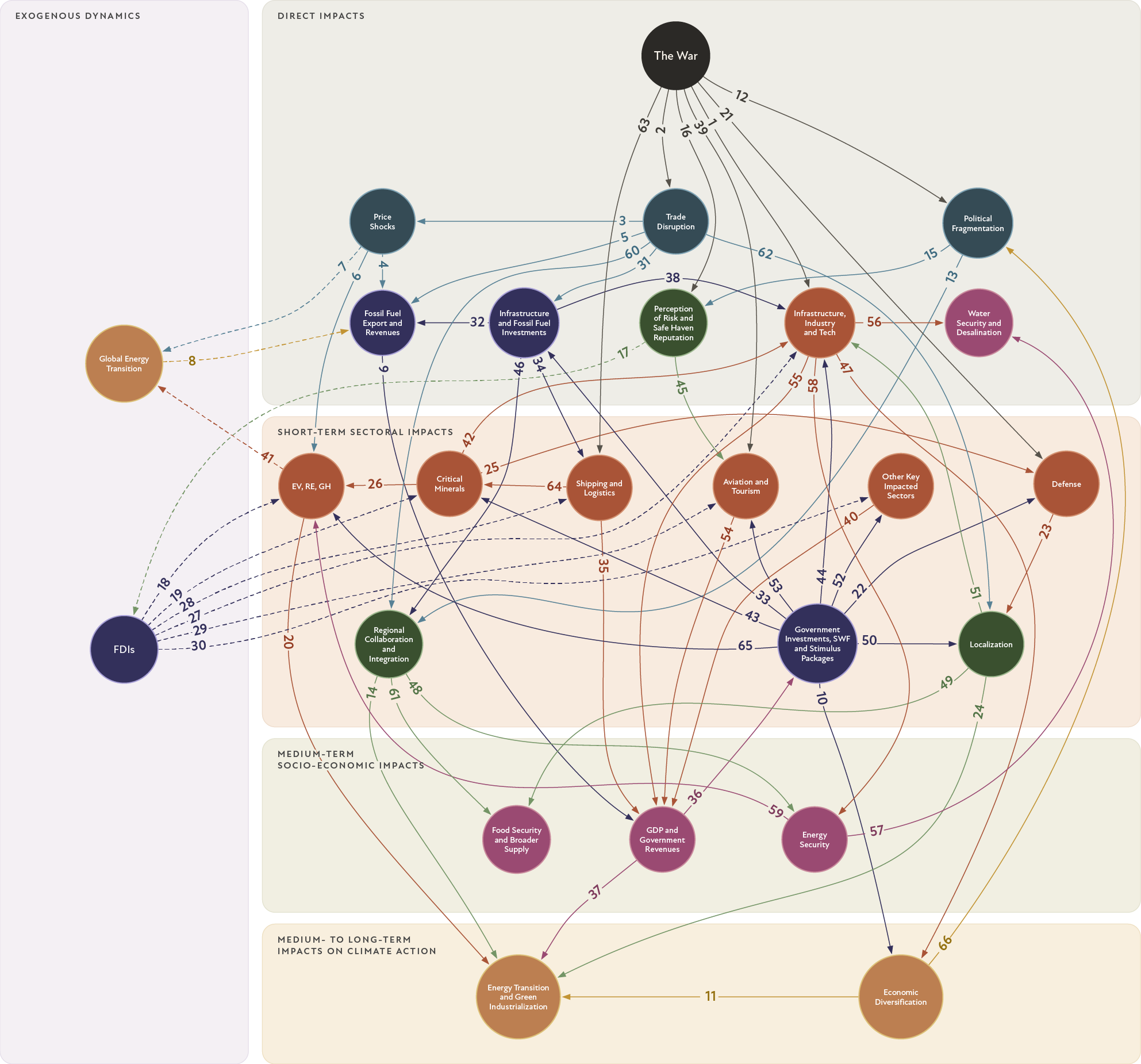
Figure 2. Impacts of the War for Fossil Fuel Importers
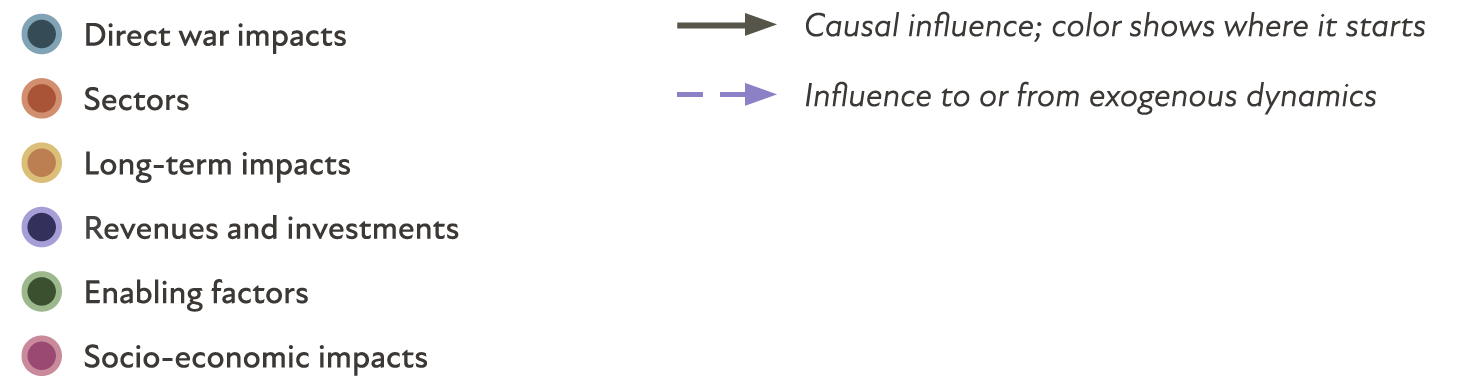
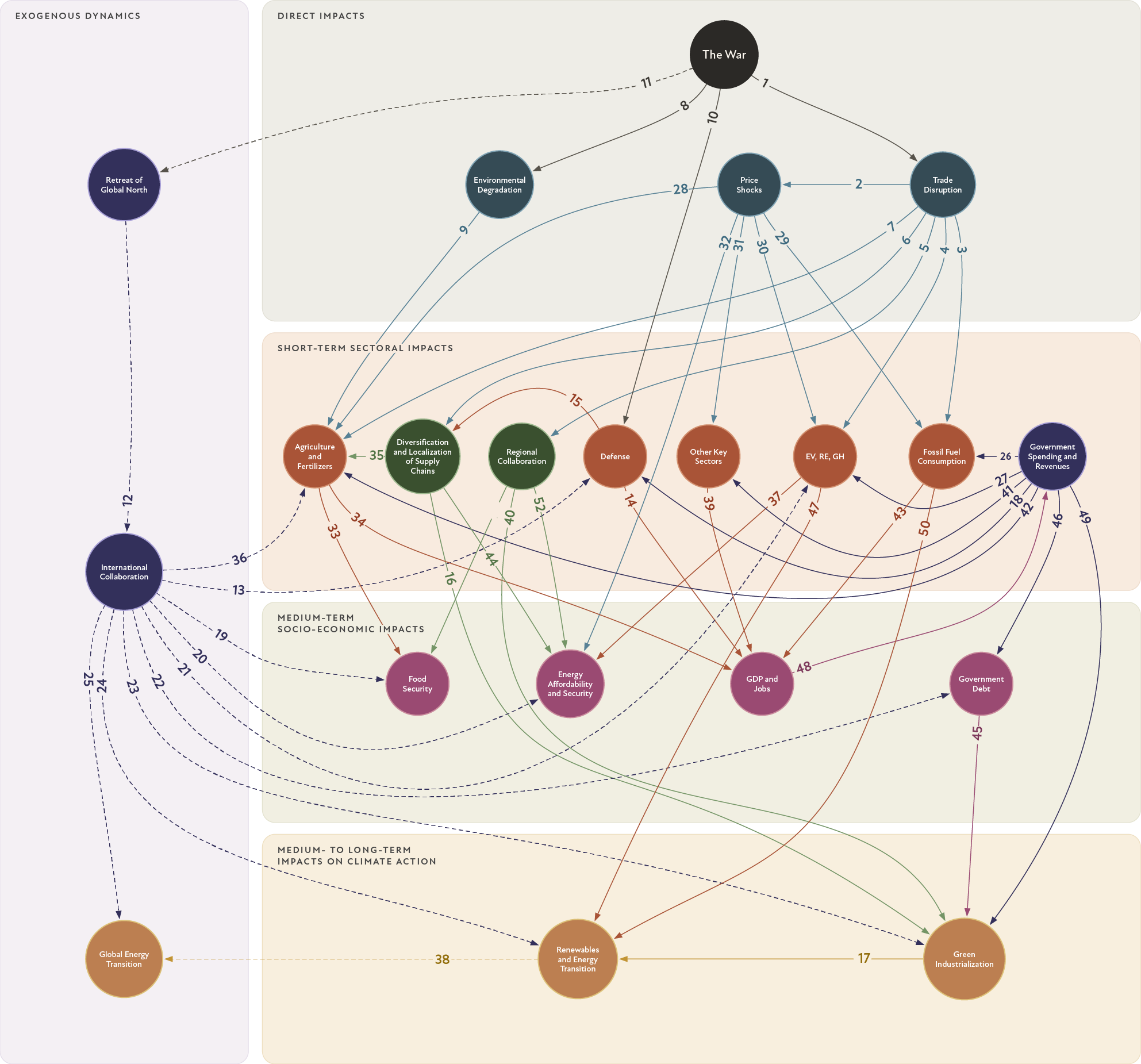
Figure 3. Forces Shaping MENA’s Trajectory as a Result of the War
Download the Full Report